
It’s one thing to have a target – net zero – but it’s another thing entirely to have the resources, infrastructure and political will to actually hit it.
So, just what has the UK signed up to achieve, how does electrification feed into that target, and how well placed is our energy generation infrastructure to support the transition required?
Net zero targets
The Climate Change Act 2008 enshrines in law the UK’s responsibility to ensure the country’s net carbon account for 2050 is at least 100% lower than the 1990 baseline. The legislation defines this baseline as being the aggregate amount of net UK emissions of carbon dioxide and other targeted greenhouse gases for that year.
Methods to achieve this target include reducing emissions of greenhouse gases at source, taking offsetting measures such as planting trees, and using carbon capture and storage technologies.
In addition to the Climate Change Act, the UK is a signatory to the Paris Agreement, which is an international treaty on climate change that was signed in 2016 after it had been negotiated at the 2015 United Nations Climate Change Conference.
The treaty seeks to restrict the rise in global average temperatures to 2 degree Celsius above pre-industrial levels, and to pursue efforts to limit them to 1.5 degrees Celsius. It also demands that signatories submit their own Nationally Determined Contribution (NDC), which details the actions they will take to reach these goals.
In December 2020, the UK Government’s NDC submission was to reduce economy-wide greenhouse gas emissions by at least 68% by 2030, compared with 1990 levels. At the recent UN Conference of the Parties meeting (COP29), the British prime minister announced a more stringent new climate goal for the UK, pledging to cut emissions by 81% compared with 1990 levels by 2035, a target in line with the recommendations of the Climate Change Committee.
The goal will be achieved by decarbonising the power sector and through a big expansion of offshore wind, as well as through investments in carbon capture and storage and nuclear energy, but the logistics involved are far from simple.
Current make-up of UK electricity generation
In the year to October 2024, around 25% of the UK’s electricity came from fossil fuel generation (24% natural gas and 1% coal). Coal has now been removed completely from the mix, following the recent closure of the UK’s last coal-fired power station at Ratcliffe-on-Soar.
Approximately 43% came from renewable sources such as wind, solar and biomass, and a further 15% came from five nuclear power stations, which have a total of eight reactors. These reactors are nearing the end of their lives and three have already stopped generating power and are being decommissioned.
Two new reactors are currently under construction although the first is not expected to be operational for at least five years with the second coming on stream two years after that.
We imported the final 17% from Europe via interconnectors, which are high voltage subsea cables.
Looking ahead, forecasts suggest efficiencies gained through electrification will reduce our overall energy consumption, despite an increasing population. But our energy generation mix will change dramatically.
In 2050, electricity will account for more than 75% of our energy, rather than its current 25% share of the mix. As a result, our demand for electricity will jump by more than 70% between now and 2050.
Meeting increased demand for green electricity
There are specific challenges relating to each type of green electricity generation as the UK ramps up capacity and these are outlined below.
Wind
The UK had installed wind capacity of 29GW by the end of 2022, but it needs to grow that by more than five times to generate 140GW by 2050.
Some wind farms are 30 years old, while the average turbine is 10 years old with a capacity of 1.8MW, compared to modern turbines with a capacity of up to 15MW.
Previous planning restrictions in place since 2015 have recently been dropped by the incoming government, but bottlenecks and wait times for connection to the National Grid mean more than 200 wind projects with a total capacity of 21GW are currently queued and waiting for connection.
Upgrading old turbines at existing sites could increase capacity and circumnavigate bottlenecks but would require significant capital investment.
Increasing costs had slowed down investment in the offshore wind sector, although softening interest rates and falling supply chain inflation have created a more positive outlook for the short to medium term.
In the floating wind sector, there is also potential for significant expansion, although issues around the availability of grid connections and the suitability of ports to enable the assembly and storage of floating platforms are holding back developments.
Solar
Solar PV costs have fallen dramatically in recent decades, while the technology’s efficiency has increased. Installed capacity is expected to grow from 16GW today to 30GW in 2035 and 57GW in 2050.
The low percentage of sunny days in the UK means solar is not as effective in this country as in others. Building storage capacity in the form of battery energy storage systems (BESS) is a key component of maximising the potential from solar and, indeed wind power. These technologies rely on the wind to blow or the sun to shine and output cannot be matched with demand. This means storage capacity is a key component of their future efficacy.
Biomass
Biomass electricity generation can be flexed to meet demand making it an exciting area for expansion. Close control needs to be kept on how much energy is used to grow, harvest, and process the fuel used in biomass generation. Carbon capture and storage technology can also be used to boost its decarbonising effect.
Nuclear
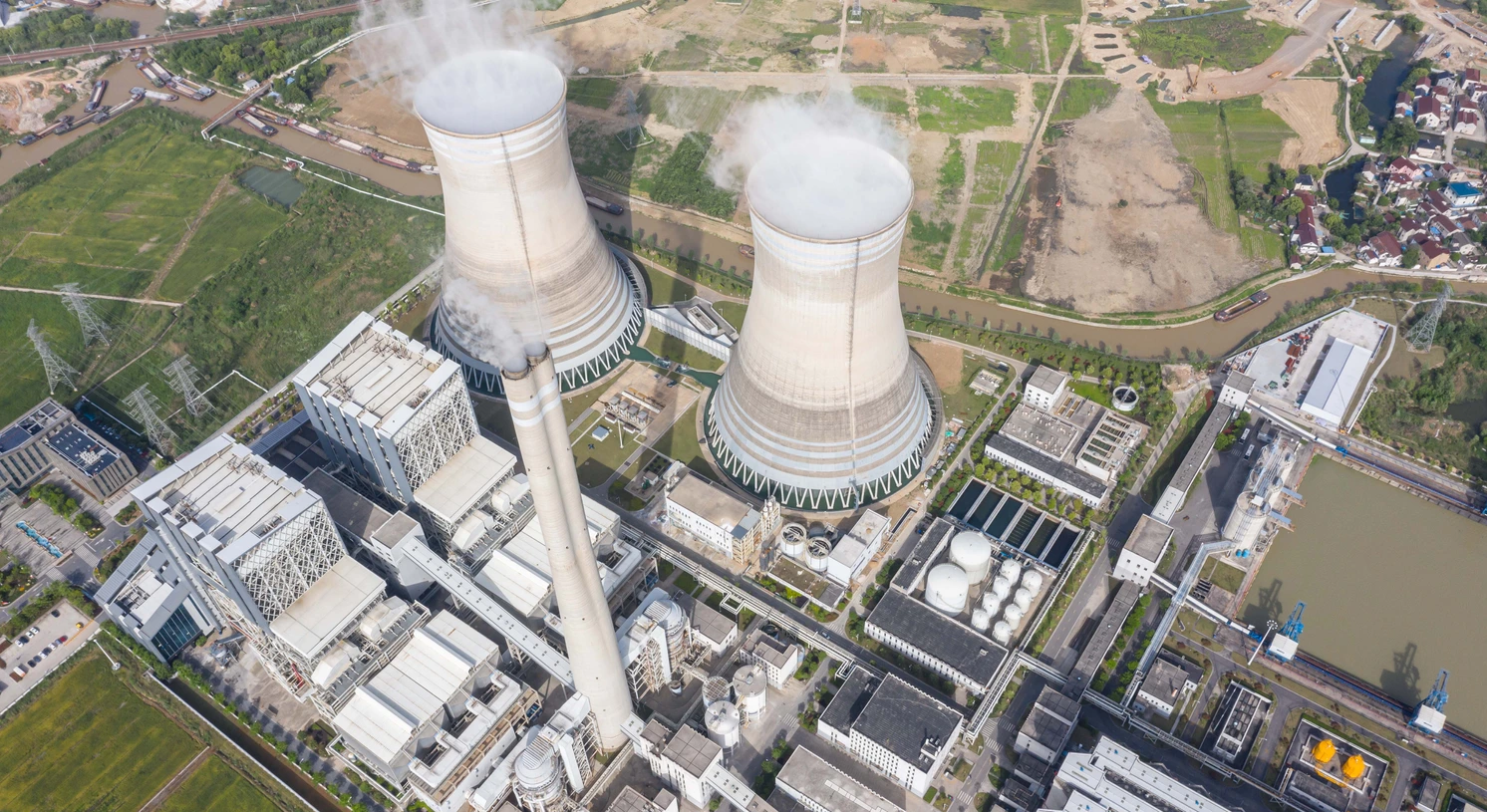
In addition to biomass, nuclear provides a useful balance to variable renewable sources. But it comes with a hefty up-front cost and it takes a long time to build a nuclear power plant. Dealing with nuclear waste also brings its own challenges and there is significant push-back from the public about expanding our portfolio of nuclear power stations.
Interconnectors
The UK currently has interconnectors linking it to France, Belgium, Norway, Denmark and the Netherlands that allow us to trade excess electricity with these countries. We currently have one domestic interconnector – Western Green Link – which runs between Hunterston in Ayrshire and the Flintshire Bridge on the border between England and Wales. Four more are either under construction or in the proposal stages and will play a crucial role in distributing electricity around the UK, particularly that from remote wind farms.
Overcoming gridlock
The UK’s electricity grid was designed to transmit electricity from a relatively small number of large power stations around the UK, and its last major upgrade was more than 50 years ago. In the future, it will need to be connected to a much greater number of smaller generating stations using many different technologies.
For example, BESS sites will alternate between periods of charge and discharge, while domestic and international interconnectors will also need to be bidirectional.
During the past two decades annual investment in the grid has averaged around £3bn. That needs to increase to £9bn annually between 2023 and 2050 to deliver the additional infrastructure – pylons, cables, interconnects – and the modernisation to required to support more variable power supply and demand. This includes digitising network assets, and installing sensor arrays and data processing infrastructure to distribute electricity around the grid efficiently.
On target?
The UK has a clearly defined target and a broad selection of technologies to enable it to achieve its goal. But the country will need to commit enormous financial, industrial and political resources to the task in order to succeed.
We are moving in the right direction, but the current pace of the transition will need to be accelerated dramatically if the UK wants to hit the bold targets to which it has agreed.

James Marks
Senior Loss Adjuster, Natural Resources,
james.marks@charlestaylor.com

Alasdair Boyle
Senior Loss Adjuster, Natural Resources,
alasdair.boyle@charlestaylor.com

