
The unpredictable and highly charged nature of political violence impacts businesses and organisations globally. Dealing with the associated re/insurance claims demands a rapid, specialised and technologically sophisticated response. Charles Taylor provides this specialised service in some of the most challenging environments throughout the world.
This article explores the nature of these political violence losses and details some of the logistical challenges we need to overcome when operating in dangerous and volatile places. It also discusses how technology is transforming our ability to work remotely and to accurately assess and quantify losses in inaccessible locations.
When needed, we work with expert partners in different disciplines and the strength of our network is an important factor in our ability to provide the complete response needed by carriers.
International claims
Political instability is not a new feature of human existence and war, civil war and terrorism have plagued societies in every region of the world for millennia.
We carry out damage assessments for reinsurers in the London Market and the past five years have been exceptionally busy.
We are currently finalising a claim in Ukraine and have done numerous others in the country. We also have ongoing claims in Sudan, Israel and Gaza and recently completed an instruction in Lebanon.
While these claims reflect many of the current geopolitical tensions, we have previously adjusted claims from South Africa to Sri Lanka and Mozambique to the USA.
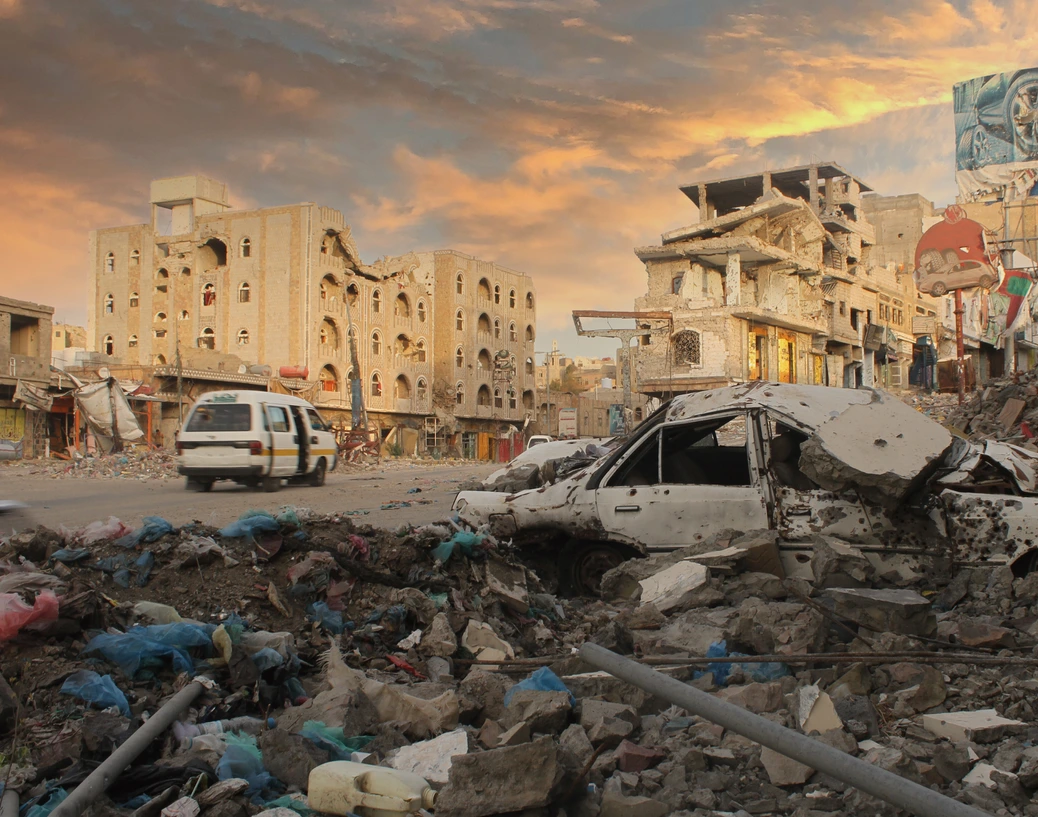
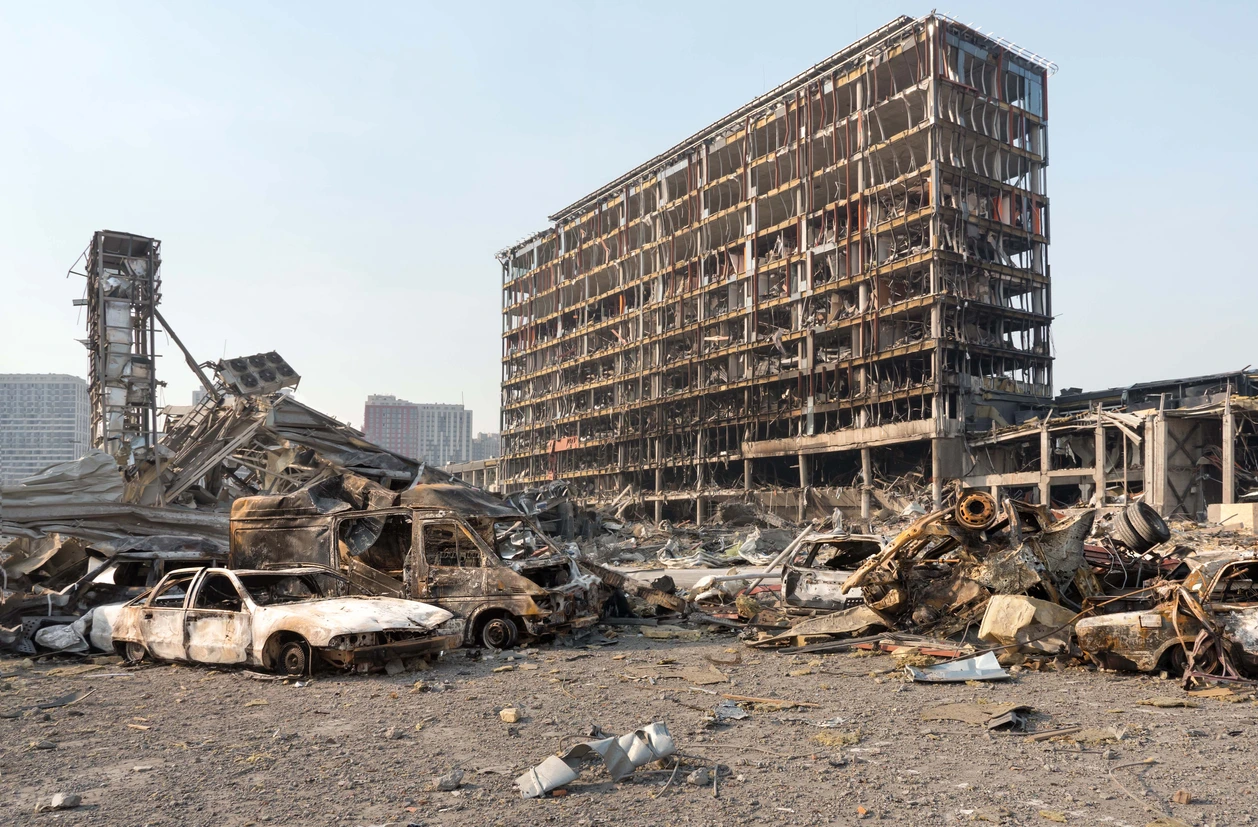
In-person loss surveys
It is exceptionally difficult to place and look after professionals in a country at war, embroiled in civil conflict or riven by terrorist activity. And this is before addressing the challenges of providing the technical support they need to carry out their work effectively.
In addition to the need for detailed planning, it is necessary to monitor and assess the evolving situation in real time and to have the protocols and resources in place to enable teams to adapt plans at a moment’s notice.
We work closely with professional security consultants who provide in-depth risk data on the location of a loss and the nature of the changing dynamics within the area. They also provide specialised resources such as armour-plated vehicles where required and trained military personnel to accompany adjusters.
One claim in Ukraine was situated about 100km from the front line and the insured building had suffered damage from artillery fire. To get an adjuster onsite for a short window of just six hours involved a five-day trip and extensive travel arrangements to comply with the requisite safety protocols.
The intense level of planning required to establish exactly how and when adjusters can attend such claims rests on an established network of colleagues and partners around the world. Without such a network, it is virtually impossible to look after adjusters in the field appropriately.
Technology at play
The risk and volatility associated with some locations means physical surveys are simply not possible.
To adjust a claim relating to a severely damaged manufacturing facility outside Mariupol in Ukraine, we used technology to deliver a layered, sophisticated, five-step approach.
Step 01 - Site overview
We accessed high-quality satellite imagery of the premises to get an accurate overview of the location. These images are inexpensive and readily available and all you need are the exact latitude and longitude of the insured location. They provided details of the site’s layout and gave an indicative view of the condition of the roof.
Step 02 - Building function
We worked with the insured to get site plans, detailing the use of each building. We overlaid these plans onto the satellite images to better understand the operational mechanics of the facility. We also secured construction drawings from the plant owner to understand the materials and techniques used to construct the various buildings.
Step 03 - Plant and equipment
We requested the insured’s asset register to get details of the onsite plant, machinery and equipment, as well as information on what it was used for and where it was located. This informed our understanding of the scale and scope of the contents in question.
Step 04 - Damage assessment
To understand the damage inflicted by artillery fire we needed to know the type of ordnance used and the associated power of the blasts suffered by the buildings. We have a former British Army explosives expert in our network who provided detailed information on the ordnance used, the properties of each and the explosion patterns they created over specific areas.
Step 05 - Aggregating the data
Piecing all the data together enabled us to assess where artillery had struck the insured facilities, the power of the explosions and the likely resulting damage given the structural composition of the building. We could also assess the likely damage to plant and machinery as we had its exact positioning within the various buildings. In addition to being able to assess the property damage, our specialised knowledge of the equipment meant we could estimate likely lead times for replacements and repairs, which fed into our ability to quantify the business interruption loss.
We can adapt our layering technique to the specific circumstances of an individual loss and to maximise the technology available, whether that be satellite imagery or loss modelling software.
We also work very closely with subject matter experts in the fields of digital intelligence analysis and image intelligence. They provide highly specialised input into the areas of open source intelligence (OSINT) and image intelligence (IMINT). In one particular case, the services of a specialist ex-military team on the ground were deployed during a civil war conflict to gather information. Human intelligence such as this (HUMINT) is rarely used and not without considerable danger to the proxy team deployed.
Conclusion
Political violence is a highly specialised area of the loss adjusting sector and one that has rarely been in more demand given the volatile nature of today’s world.
Charles Taylor has developed a unique and technologically sophisticated product, using previously unused techniques in this area. For example, our remote damage assessment model now utilises unparalleled state of the art digital analysis.
Wherever needed, we will bring our specialised skills and advanced adjusting techniques to assess claims quickly and accurately – even in the most challenging environments and circumstances.
Hugh Sparks
Managing Director, Onshore Energy & Mining, Natural Resources
hugh.sparks@charlestaylor.com

Shazia Rehman
Director, Onshore Energy & Mining, Natural Resources
shazia.rehman@charlestaylor.com

